What Is Panela?
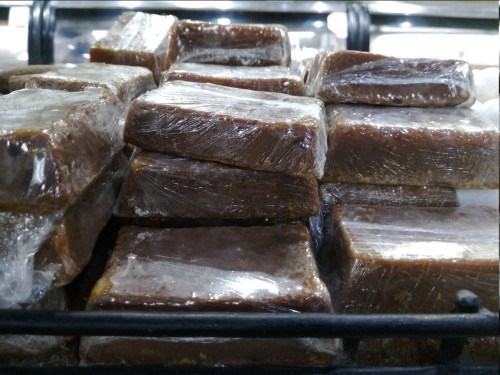
In the heart of Nicaragua, you'll often find dense brown blocks of sugar sold in markets and rural shops. Known locally as panela or tapa de dulce, this traditional sweetener is made by boiling pure sugarcane juice until it thickens, then allowing it to harden naturally. Unlike refined sugar, no chemicals or additives are used, preserving the natural essence and nutrients of the sugarcane plant.
A Nutrient-Rich Alternative to Refined Sugar
Panela isn’t just about sweetness—it’s about nourishment. Because it’s minimally processed, it retains essential minerals such as iron, calcium, potassium, magnesium, and phosphorus. It also contains natural vitamins including A, B, C, D, and E, which support vision, metabolism, bone strength, and overall immunity. This makes panela a significantly more complete food source than white sugar, which offers only empty calories.
Natural Antioxidants and Lower Glycemic Index
Thanks to its high molasses content, panela contains valuable antioxidants and polyphenols that can help prevent cellular damage and reduce the risk of chronic diseases such as diabetes, cancer, and heart conditions. Its lower glycemic index means it releases glucose more slowly into the bloodstream, reducing blood sugar spikes and making it a safer option for those mindful of their sugar intake.
Benefits for Teeth, Bones, and Digestion
Panela’s mix of alkaline minerals can help protect against acidity-related problems such as tooth decay and bone demineralization. It also supports healthy digestion and intestinal transit due to its natural composition. For athletes or people with demanding work routines, panela provides an excellent source of quick, sustained energy without the crash that often follows refined sugar consumption.
Building Health and Supporting Traditions
Beyond nutrition, panela reflects centuries of Nicaraguan tradition. It supports local sugarcane farmers and preserves artisanal production methods that have remained largely unchanged for generations. Buying panela not only benefits health—it helps sustain rural livelihoods and cultural heritage.
How to Use and Prepare Panela
Panela’s only drawback is its hardness. The blocks are extremely dense and can be tricky to portion. To prepare it for cooking or beverages, place it on a sturdy cutting board and carefully use a sharp knife or even a hammer to break it into smaller pieces. Once manageable, it dissolves beautifully in hot liquids or can be grated as needed for recipes.
Affordable Sweetness with a Difference
In Nicaragua, this super unprocessed sugar costs only around $0.50 to $1 per kilo—an astonishing value given its purity and nutritional profile. In contrast, in more developed countries, such natural sugar is often rare or sold at premium prices. Panela proves that healthy, artisanal, and sustainable food doesn’t have to be expensive.